Athlete's Foot While Pregnant: Safe Treatment Options and What to Know
February 9, 2026
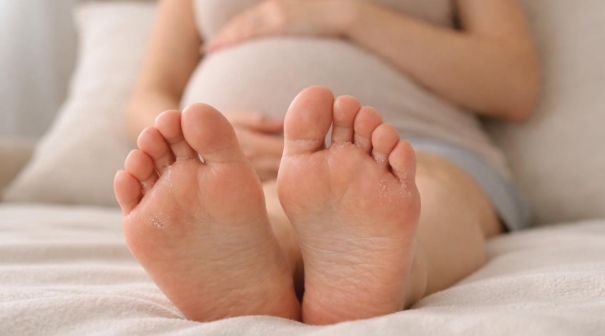
Pregnancy brings many changes to the body, including shifts in circulation, hormones, and skin sensitivity. For some expectant mothers, these changes can make foot issues more noticeable, especially fungal infections like athlete's foot while pregnant. While athlete's foot is usually mild, understanding why it occurs during pregnancy and how to treat it safely can help prevent discomfort and avoid complications.
The good news is that athlete's foot during pregnancy is common, manageable, and treatable with the right approach.
Why Athlete's Foot Is Common During Pregnancy
Pregnancy does not directly cause fungal infections, but it creates conditions that make athlete's foot pregnancy symptoms more likely. Hormonal changes can affect the skin barrier and immune response, making it easier for fungi to grow. Increased sweating, especially in the feet, creates a warm and moist environment where fungal infections thrive.
Foot swelling during pregnancy can also increase friction inside shoes, trapping moisture and irritating the skin. Together, these factors explain the close relationship between athlete's foot and pregnancy, particularly as pregnancy progresses. While the infection itself is usually not serious, early recognition and appropriate care are important to prevent worsening symptoms.
Common Symptoms of Athlete's Foot During Pregnancy
Symptoms of athlete's foot during pregnancy are similar to those experienced outside of pregnancy and may include:
- Itching or burning between the toes
- Redness, scaling, or peeling skin
- Cracked or irritated areas on the feet
- Mild discomfort that worsens in warm or tight shoes
Symptoms often begin gradually and may worsen if moisture and friction persist.
Athlete's Foot vs Dry Feet During Pregnancy
Dry skin is common during pregnancy, which can make it harder to tell whether symptoms are related to athlete's foot or simple dryness.
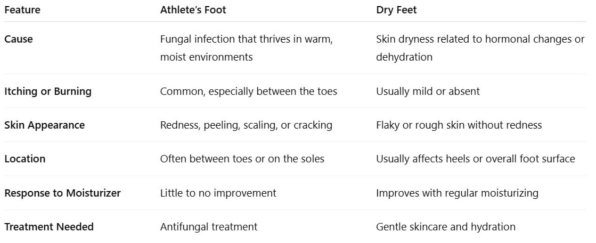
If symptoms do not improve with basic moisturizing or continue to worsen, professional evaluation may be helpful.
Safe Athlete's Foot Treatment During Pregnancy
During pregnancy, treatment choices should focus on safety, effectiveness, and minimizing systemic exposure. Athlete's foot treatment pregnant patients use is typically conservative and localized.
Before starting any treatment or medication, it is essential to consult a qualified healthcare provider. A medical professional can confirm the diagnosis, assess the severity of the infection, and recommend the safest option based on the stage of pregnancy, since even topical medications should be used with caution during this time. Once evaluated by a healthcare provider, treatment generally involves:
- Topical antifungal treatments are usually the first-line option during pregnancy because they act locally on the skin with minimal systemic absorption. However, expectant mothers should confirm appropriate products and duration of use with their prenatal care provider before starting treatment.
- Consistent daily application is important for fully clearing the infection.
- Oral antifungal medications are generally avoided during pregnancy unless specifically prescribed and monitored by a healthcare provider.
- Product directions should be followed carefully, and treatment should be discontinued if irritation occurs.
Professional guidance can help ensure treatment is both safe and effective. You can find additional information about diagnosis and treatment in our page for athlete's foot treatment.
Supportive Home Care That's Pregnancy-Safe
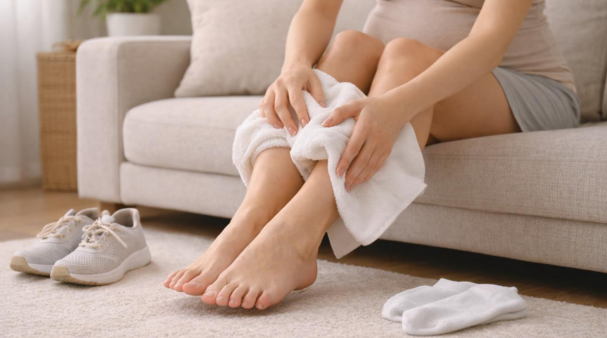
In addition to medication, supportive care can reduce symptoms and help prevent recurrence during athletes foot pregnancy:
- Keep feet clean and dry
- Dry thoroughly between toes after bathing
- Change socks daily, or more often if sweating increases
- Wear breathable footwear that reduces moisture buildup
- Avoid walking barefoot in public locker rooms or pool areas
These habits help limit fungal growth and support healthy skin.
What to Avoid When Treating Athlete's Foot While Pregnant
Some treatments commonly used outside of pregnancy should be avoided or used cautiously. Oral antifungals without medical guidance, unverified home remedies, and essential oils may pose unnecessary risks.
Aggressive scraping or peeling of infected skin can also increase irritation and the chance of secondary infection. Broken or oozing skin increases the risk of bacterial infection and should be evaluated promptly rather than treated at home. When it comes to athlete's foot treatment in pregnancy, safety and gentle care should always guide treatment choices, with professional guidance helping ensure the right approach.
When to Seek Professional Podiatric Care
Professional evaluation is recommended for athletes foot pregnancy concerns if:
- Symptoms do not improve with treatment
- The rash spreads or becomes painful
- Cracked skin worsens or becomes tender
- Toenails begin to thicken or discolor
- Infections recur
Addressing athlete's foot early during pregnancy helps reduce discomfort and prevent complications, allowing for safer and more effective care.
Taking the Next Step Toward Relief
Athlete's foot during pregnancy is common, but it does not have to be a lasting problem. With early recognition, appropriate treatment, and supportive home care, most infections can be managed safely and effectively.
Professional podiatric care can complement prenatal care by helping diagnose and manage athlete's foot safely while coordinating treatment considerations with your obstetric provider.
If symptoms persist or worsen, professional care from Foot & Ankle Specialists of Utah can help ensure treatment is both pregnancy-safe and effective. Our Utah-based podiatry team provides expert foot care tailored to the unique needs of expectant mothers. Book an appointment today for personalized guidance and relief before symptoms worsen.
For more tips, tricks, and helpful information, be sure to check out our social media accounts!