Heel Spur Pain: Symptoms, Causes, and Treatment Options
April 13, 2026

Heel pain can interfere with daily movement, making simple activities like walking or standing uncomfortable. One common cause of persistent discomfort is heel spur pain, a condition often linked to ongoing stress on the foot. While the term may sound concerning, heel spurs are common and, in many cases, manageable with the right approach.
Understanding what causes heel spur pain and how it can be treated is an important step toward improving mobility and reducing discomfort.
What Is a Heel Spur?
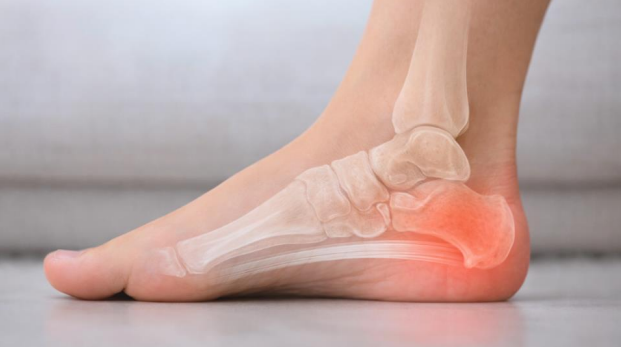
A heel spur is a small bony growth that develops on the underside of the heel bone. It forms over time as the body responds to repeated strain on the foot, particularly where the plantar fascia attaches to the heel.
Although the presence of a spur may sound concerning, it's important to understand it in context. Many people have heel spurs without experiencing any pain. In most cases, symptoms are related to irritation of the surrounding soft tissue rather than the bone itself.
What Does Heel Spur Pain Feel Like?
The sensation of heel spur pain can vary, but it often follows a recognizable pattern. Understanding what a heel spur feels like can help patients identify when symptoms may require attention.
Common experiences include:
- sharp pain in the heel with the first steps in the morning
- discomfort after periods of rest
- tenderness at the bottom of the heel
- pain that improves with movement but returns after prolonged activity
This pattern is similar to other heel conditions, which is why proper evaluation is important for accurate diagnosis.
What Causes Heel Spur Pain?
Heel spur pain typically develops due to repeated stress on the structures of the foot. Over time, this stress can lead to inflammation and the formation of a spur.
Common contributing factors include:
- repetitive walking, running, or standing
- tight calf muscles or limited ankle flexibility
- wearing unsupportive or worn-out footwear
- abnormal foot mechanics, such as flat feet or high arches
- increased pressure on the heel due to body weight
It's important to note that the spur itself is not always the direct source of pain. In many cases, inflammation of the surrounding tissues plays a larger role in discomfort.
Heel Spurs and Plantar Fasciitis: Understanding the Connection
Heel spurs and plantar fasciitis are closely related conditions, but they are not the same. A heel spur is a bony growth that forms on the heel bone, while plantar fasciitis refers to inflammation of the plantar fascia, the thick band of tissue that supports the arch of the foot.
Many patients with plantar fasciitis may also have a heel spur, but the presence of a spur does not always cause pain. In most cases, discomfort is caused by irritation and strain of the plantar fascia rather than the bone itself.
Understanding this connection is important because treatment focuses on reducing inflammation, improving flexibility, and relieving stress on the foot, rather than targeting the spur directly.
Treatment Options for Heel Spur Pain
Treatment for heel spur pain focuses on reducing strain, relieving inflammation, and improving overall foot function. Treatment is typically guided by a podiatrist to ensure it is safe, effective, and tailored to the underlying cause. In many cases, conservative care is highly effective in relieving symptoms.
Reducing Strain and Inflammation
Initial treatment often includes rest, activity modification, and targeted use of ice to reduce irritation in the affected area. Limiting repetitive stress on the heel is an important first step in recovery.
Stretching and Mobility
Stretching exercises for the calf muscles and plantar fascia help improve flexibility and reduce tension on the heel. Consistent stretching can support both pain relief and long-term prevention.
Supportive Footwear and Orthotics
Wearing properly fitted, supportive shoes plays a key role in reducing impact on the heel. Custom orthotics may be recommended to improve alignment and distribute pressure more evenly across the foot.
Advanced Non-Surgical Treatments
If symptoms persist, additional options such as physical therapy, targeted injections, or shockwave therapy may be considered to support healing and reduce inflammation.
When Surgery May Be Considered
Surgical treatment is rarely necessary and is typically only considered when conservative treatments have not provided sufficient relief. A thorough evaluation by a podiatrist is important to determine whether surgery is appropriate and to ensure the underlying cause of pain is properly addressed. The goal is to relieve symptoms while preserving normal foot function.
Understanding what to do for spurs of the heel often begins with these non-invasive approaches, which focus on relieving symptoms and preventing further strain rather than removing the spur itself.
Preventing Heel Spur Pain
Preventing heel spur pain involves reducing strain on the foot and maintaining healthy movement patterns over time.
Helpful strategies include:
- wearing supportive, well-fitting shoes
- stretching regularly to maintain flexibility
- avoiding prolonged standing on hard surfaces
- replacing worn footwear
- maintaining a healthy weight to reduce pressure on the heel
Consistent habits can play a key role in reducing the risk of recurring symptoms.
When to See a Podiatrist
While many cases improve with conservative care, professional evaluation is important when symptoms persist or worsen.
You should consider seeing a podiatrist if:
- heel pain continues for several weeks
- walking becomes difficult
- symptoms return frequently
- the cause of pain is unclear
If heel discomfort is affecting your daily routine, learning more about available care through our sports injuries services can help guide your next steps.
Relieving Heel Spur Pain and Restoring Comfort
Heel spur pain can be uncomfortable, but it is often manageable with the right treatment approach. Focusing on reducing strain, improving flexibility, and addressing underlying causes can lead to meaningful improvement.
If heel pain continues to interfere with your daily activities, the podiatry team at Foot & Ankle Specialists of Utah provides expert care for patients throughout Utah. Schedule an appointment for a comprehensive evaluation and a personalized treatment plan designed to restore comfort and mobility.
Schedule an Appointment Today!
If any of these signs or symptoms sound familiar to you, don't wait! Schedule an appointment with one of our specialists TODAY and get back to living your best life! For more tips, tricks, and helpful information, be sure to check out our social media accounts!