How to Get Rid of Corns on Feet: Safe Treatments and Prevention Tips
April 6, 2026
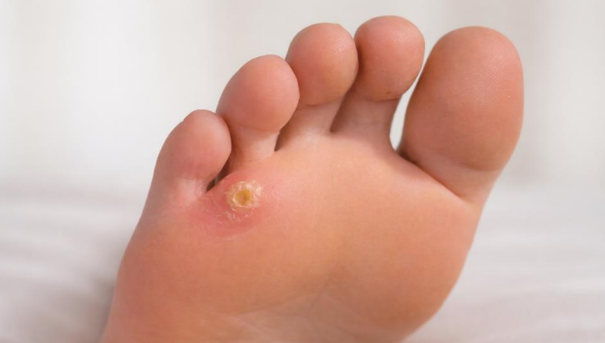
Corns are a common foot condition that can cause discomfort, especially when walking or wearing certain shoes. If you're dealing with persistent pressure or irritation, understanding how to get rid of corns on your feet safely is essential for both relief and long-term foot health.
While corns can often be managed at home, they tend to return if the underlying cause isn't addressed. Focusing on safe treatment methods and prevention strategies can help reduce discomfort and avoid recurring issues.
What Are Corns on the Feet?
Corns are thickened areas of skin that develop as a protective response to repeated pressure or friction. They commonly form on the tops of toes, between toes, or on the bottom of the foot.
These hardened areas may feel rough or raised and can become painful when pressure continues. In some cases, corns may also cause tenderness or irritation, particularly when wearing tight or ill-fitting shoes.
What Causes Corns to Develop?
Corns typically form when the skin is exposed to ongoing pressure or friction. Understanding these causes is an important step in learning how to get rid of corns on your feet effectively.
Common causes include:
- wearing tight or narrow shoes
- high heels that place pressure on the front of the foot
- foot structure issues such as bunions or hammertoes
- repetitive walking or standing
- improper foot alignment or biomechanics
When pressure continues over time, the skin thickens to protect itself, leading to the formation of a corn.
Safe Treatment Options for Corns on Feet
Treating corns safely focuses on reducing pressure, softening the skin, and addressing the underlying cause. Podiatric guidance plays an important role in ensuring safe and effective care.
Reducing Pressure and Friction
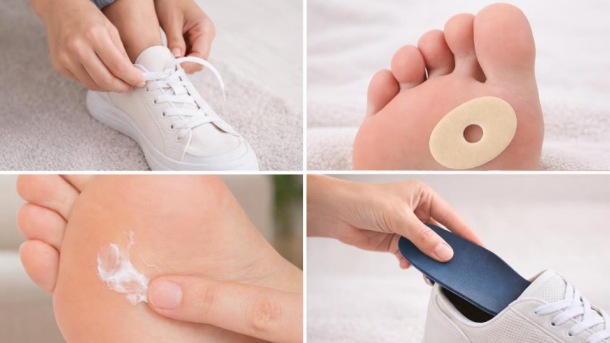
Wearing properly fitting shoes with enough room for your toes is one of the most important steps. Avoid tight footwear that compresses the toes or creates repeated pressure points.
Soaking and Gentle Exfoliation
Soaking your feet in warm water can help soften hardened skin. After soaking, gently using a pumice stone can reduce thickness over time without damaging healthy skin. However, people with diabetes, poor circulation, or other high-risk foot conditions should avoid self-treatment and seek professional care instead.
Moisturizing and Skin Care
Keeping the skin hydrated helps prevent excessive buildup. Regular use of moisturizing creams can support healthier skin and reduce irritation.
Protective Pads and Cushions
Padding can help relieve pressure and reduce friction in sensitive areas. This is especially helpful when managing areas where pressure is difficult to avoid.
Addressing Foot Mechanics
In some cases, correcting how weight is distributed across the foot is essential. Custom orthotics or supportive footwear can help reduce recurring pressure.
Safe care may vary depending on the location of the corn. For example, understanding corn on toe how to remove safely may involve reducing friction between toes, while learning how to get rid of corns on bottom of feet often focuses on relieving pressure during walking. A consistent approach is key when addressing how to get rid of corn on feet without causing further irritation.
What to Avoid When Treating Corns
While it may be tempting to remove a corn quickly, certain methods can cause more harm than good. Avoid:
- cutting or shaving corns yourself
- using sharp tools or blades
- applying harsh chemical treatments without guidance
- ignoring the underlying cause of pressure
These approaches can increase the risk of infection or injury, especially for individuals with diabetes or poor circulation. Safe, gradual care is always the preferred approach.
Prevention Tips to Keep Corns from Coming Back
Preventing corns requires ongoing attention to daily habits and long-term foot care. Without addressing the cause, they are likely to return.
Wear Properly Fitting Shoes
Choose shoes that provide enough space for your toes and avoid tight or narrow designs that create repeated pressure.
Minimize Friction Over Time
Using protective pads or cushioned insoles can help reduce ongoing stress in high-pressure areas.
Maintain Skin Health
Keeping your feet clean and moisturized supports healthy skin and helps prevent thickened buildup.
Support Proper Foot Alignment
If foot structure contributes to pressure, orthotics or supportive footwear can help distribute weight more evenly and reduce long-term strain.
Consistent prevention habits play a key role in maintaining long-term comfort and reducing recurrence.
When to See a Podiatrist
In many cases, professional care may be necessary. You should consider seeing a podiatrist if:
- corns become painful or worsen
- they continue to return despite treatment
- signs of infection appear
- you have diabetes or circulation issues
A podiatrist can safely remove corns and help identify underlying causes to prevent recurrence.
Safe and Effective Corn Care for Long-Term Relief
Understanding how to get rid of corns on feet involves more than just removing thickened skin, it requires addressing the pressure and friction that caused them in the first place. Safe treatment and consistent prevention are essential for lasting relief.
If corns continue to interfere with your daily activities, the podiatry team at Foot & Ankle Specialists of Utah provides expert care for patients throughout Utah. Schedule an appointment for a comprehensive evaluation and a personalized treatment plan designed to improve comfort and prevent recurrence.
Schedule an Appointment Today!
If any of these signs or symptoms sound familiar to you, don't wait! Schedule an appointment with one of our specialists TODAY and get back to living your best life! For more tips, tricks, and helpful information, be sure to check out our social media accounts!