Running with Flat Feet: Challenges, Myths, and How to Protect Your Performance
December 9, 2025
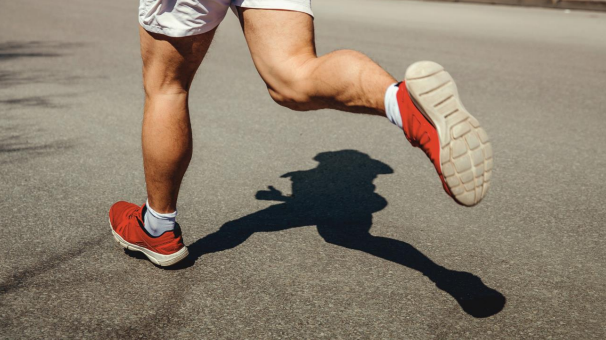
Many athletes wonder whether running with flat feet affects comfort, speed, or long-term performance. Flat feet do change the way the body absorbs impact, but they don’t automatically limit your ability to run well. In fact, plenty of successful runners and competitive athletes have low or fallen arches.
This guide explains how flat feet and running are connected, what challenges can appear, and how to protect your stride, comfort, and overall performance.
What Does It Mean to Have Flat Feet?
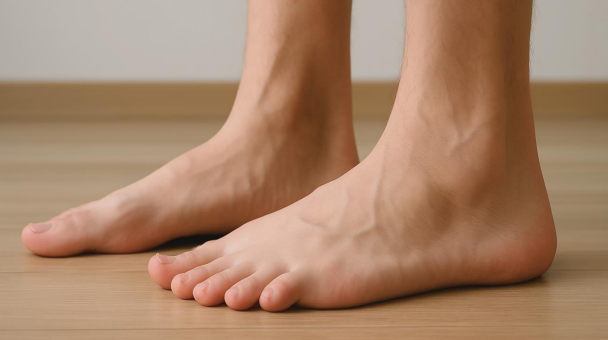
Flat feet occur when the arches sit lower than usual or flatten when standing. Some people have flexible flat feet, where an arch appears when non–weight bearing, while others have rigid flat feet due to structural differences.
Many runners wonder whether is bad to have flat feet, especially if they’ve felt fatigue or discomfort. Flat feet are simply a different foot type. Some people run without issues, while others notice changes in alignment or muscle workload. Understanding your mechanics helps prevent injury.
Flat Feet vs. Arched Feet: How Running Mechanics Differ
Running mechanics can vary between people with flat feet and those with higher arches, but both foot types can perform well.
Shock Absorption
Arched feet tend to have more natural spring. Flat feet absorb impact differently, which can sometimes increase pressure on the heels, ankles, or knees.
Pronation Patterns
Flat feet often overpronate, rolling inward more than usual during each step. This isn’t harmful on its own, but excessive motion can create stress in the ankles, shins, or knees.
Muscle and Tendon Workload
In athletes with flat feet, the posterior tibial tendon, Achilles tendon, and intrinsic foot muscles often work harder to stabilize the arch. Without proper support, this can contribute to fatigue or overuse injuries.
Common Challenges When Running with Flat Feet
Not every athlete with flat feet experiences pain, but certain challenges are more common.
Overpronation and Alignment Stress
Inward rolling of the foot can lead to stress on the ankles, knees, and hips. Supportive shoes or orthotics often help correct this.
Foot Fatigue and Cramping
Low arches may cause the supporting muscles to tire quickly, especially on longer runs or uneven terrain.
Higher Risk of Overuse Injuries
Flat feet do not directly cause injury, but unsupported mechanics can contribute to:
- Plantar fasciitis
- Shin splints
- Achilles tendinitis
- Posterior tibial tendon dysfunction
- Knee discomfort
These injuries occur when the foot and leg work harder to stay aligned during repetitive impact.
Myths About Running with Flat Feet
There are several common misconceptions surrounding flat feet and running:
Myth 1: “Does flat feet make you slower?”
No. Speed depends on strength, conditioning, technique, and running efficiency, not arch height. Many elite runners have flat feet.
Myth 2: “Athletes with flat feet shouldn’t run.”
Flat feet do not prevent anyone from running. With the right support, most people run comfortably and without limitation.
Myth 3: “It’s always bad to have a flat foot.”
Flat feet only become a concern when they contribute to instability or discomfort.
Myth 4: “Flat feet can’t improve.”
While arch height may not change, foot function can be significantly improved with strengthening, mobility, and proper footwear.
How to Run with Flat Feet: Protecting Comfort and Performance
Learning how to run with flat feet focuses on managing alignment and reducing unnecessary stress on the foot and lower leg.
1. Choose the Right Running Shoes
Look for:
- Stability or motion-control designs
- Firm heel counters
- Cushioned midsoles
- Wide toe boxes
A gait evaluation can help you find the right level of support.
2. Consider Orthotics
Orthotics can make a big difference for an athlete with flat feet, and a podiatrist can help determine the right type and fit for proper support.
3. Strengthen Foot and Ankle Muscles
- Toe curls and towel scrunches
- Calf raises
- Short-foot exercises
- Balance and stability work
- Resistance band ankle exercises
4. Improve Flexibility
Stretching the calves, hamstrings, and Achilles tendon reduces tension and supports better foot mechanics.
5. Refine Running Form
- Shortening your stride
- Avoiding heavy heel striking
- Increasing cadence slightly
- Maintaining upright posture
6. Increase Mileage Slowly
Because flat feet place more demand on certain tissues, gradual progression helps reduce injury risk.
Is It Bad to Have a Flat Foot for Running?
Flat feet are not inherently bad. The key is understanding how your feet move and making the adjustments needed to support them. With the right footwear, strengthening plan, and mechanics, athletes with flat feet can run comfortably at any level.
When to See a Foot & Ankle Specialist
Schedule an evaluation if you notice:
- Persistent arch or heel pain
- Swelling along the inner ankle
- Recurrent shin splints
- Pain that worsens with running
- Difficulty finding supportive shoes
A specialist can evaluate your foot mechanics, recommend the right footwear, and provide a plan to support your running performance over time.
Moving Forward with Confidence
Running with flat feet is absolutely possible, and often pain-free, with the right approach. Supportive shoes, proper strengthening, and personalized gait strategies help protect your stride and prevent injury.
The team at Foot & Ankle Specialists of Utah can evaluate your foot mechanics and offer personalized recommendations to support your goals. Book an appointment today to keep running strong and injury-free.
Schedule an Appointment Today!
If any of these signs or symptoms sound familiar to you, don’t wait! Schedule an appointment with one of our specialists TODAY and get back to living your best life! For more tips, tricks, and helpful information, be sure to check out our social media accounts!