Toenail Falling Off After Injury: What It Means and What to Do
May 28, 2026
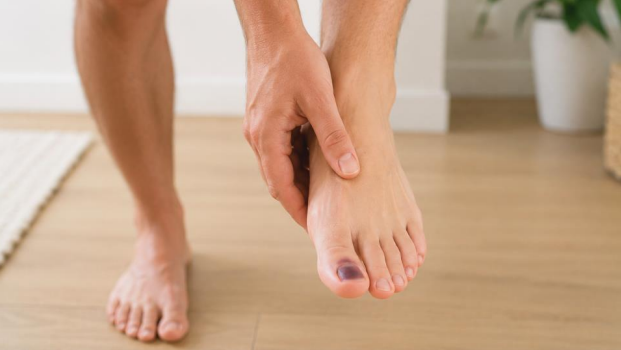
A damaged toenail can be alarming, especially when the nail becomes loose or begins separating after an injury. Trauma to the toe is common and may occur from sports activity, repetitive pressure, or direct impact to the foot.
A toenail falling off after injury may develop gradually over time depending on the severity of the damage beneath the nail. Understanding the possible causes and knowing when symptoms may require professional evaluation can help patients better protect their foot health.
How Toenail Injuries Happen
Toenail injuries often occur after direct trauma or repeated pressure on the toe. Common causes include:
- Stubbing the toe against a hard surface
- Dropping heavy objects on the foot
- Repetitive pressure from running or sports
- Tight or poorly fitting shoes
A foot nail injury may affect not only the nail itself but also the nail bed and surrounding soft tissue underneath. Depending on the severity of the impact, an injury to toenail structures may lead to bruising, bleeding, inflammation, or nail separation.
In some cases, the damage develops gradually rather than immediately. Repetitive pressure during sports, long-distance running, or prolonged use of tight footwear can weaken the attachment between the nail and the nail bed over time, eventually causing the nail to loosen or detach.
What Happens Beneath the Nail After an Injury?
After trauma, blood may collect beneath the nail, creating pressure and discoloration. This condition is known as a subungual hematoma and is a common form of toe bleeding under nail injuries.
As pressure builds beneath the nail, patients may experience:
- Throbbing pain
- Swelling
- Tenderness
- Dark discoloration under the nail
In some cases, the nail plate gradually separates from the nail bed as a result of the injury. More significant toenail trauma may also damage the tissue responsible for future nail growth.
Early Signs a Toenail May Fall Off
Symptoms may appear immediately after the injury or develop gradually over several days.
Common signs include:
- Black or dark discoloration
- Swelling around the toe
- Throbbing discomfort
- Tenderness when walking
- A loose or lifted nail
- Bleeding beneath the nail
Some patients notice the nail becoming unstable before fully detaching. A toenail coming off after injury may separate partially or completely depending on the amount of underlying damage.

What to Do After a Toenail Injury
Initial care focuses on protecting the toe and minimizing additional irritation while the area heals. Because the severity of nail injuries can vary, professional guidance may be important to help evaluate possible nail bed damage, ongoing pressure beneath the nail, or other underlying injuries that may affect healing and nail regrowth.
Helpful measures may include:
- Keeping the toe clean and dry
- Protecting the nail from further pressure
- Avoiding pulling or forcing the nail off
- Wearing shoes with a roomy toe box
- Monitoring for worsening symptoms
Healing can vary significantly depending on the severity of the injury and the amount of nail bed involvement.
Sports-related trauma and repetitive pressure are common causes of nail injuries, especially in runners and active individuals. Repeated impact on the toes during activity may increase the risk of bruising, nail separation, and other sports-related foot injuries affecting the nails and surrounding soft tissue.
How Long Does Toenail Regrowth Take?
After losing a toenail, the body may gradually begin growing a new nail underneath the damaged one. However, toenail regrowth is typically slow and may take several months or longer depending on the severity of the injury.
In many cases:
- Partial regrowth may appear within a few months
- Complete regrowth may take up to a year or more
- The new nail may initially appear uneven or thickened
Some patients experience losing a toenail due to injury after a single traumatic event, while others may develop gradual nail separation from repetitive stress or activity. In cases involving severe trauma, losing a toenail due to trauma may occasionally affect how the nail grows back in the future.
When a Toenail Injury May Require Professional Care
Professional evaluation may be important if:
- Severe pain persists
- Swelling or redness worsens
- Drainage or signs of infection develop
- The nail bed appears significantly damaged
- Walking becomes difficult
- Bleeding continues beneath the nail
- There may be a fracture involving the toe
Patients with diabetes, circulation problems, or reduced sensation in the feet should not ignore nail injuries, even if symptoms initially appear mild.
Significant nail injuries or exposed nail beds may sometimes require specialized wound care to help protect healing tissue and reduce the risk of complications.
Protecting Nail Health After Toe Injuries
Toenail injuries can range from mild bruising to more significant trauma involving the nail bed and surrounding tissue. While a damaged nail may eventually fall off as part of the healing process, proper care and monitoring are important to support recovery and reduce the risk of complications.
If you are experiencing persistent pain, nail separation, or concerns after a toe injury, the podiatry team at Foot & Ankle Specialists of Utah is here to help patients throughout Utah. Schedule an appointment for a comprehensive evaluation and personalized treatment recommendations for injured toenails and foot trauma.
For more tips, tricks, and helpful information, be sure to check out our social media accounts!