Types of Toenail Fungus: Causes, Symptoms, and Treatment Options
February 23, 2026

Toenail fungus is a common condition that can cause discoloration, thickening, and structural changes in the nail. While many people assume all fungal infections look the same, there are several types of toenail fungus, each with distinct characteristics and treatment considerations. Understanding these variations can help patients recognize symptoms early and seek appropriate care before the infection worsens.
Because fungal nail infections rarely resolve on their own, identifying the specific type and severity is an important step in determining the most effective treatment plan.
Understanding the Different Types of Toenail Fungus
Fungal nail infections can develop in different ways, as there are different kinds of nail fungus that affect the nail plate, nail bed, or surrounding tissue.
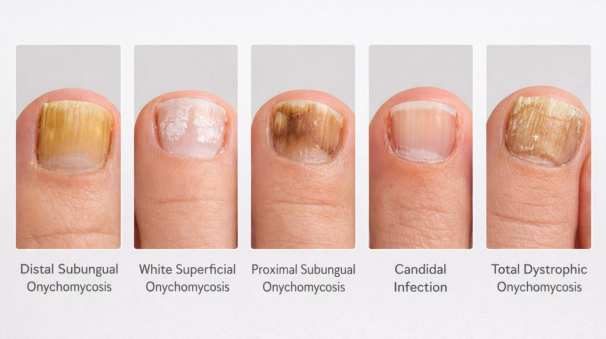
Distal Subungual Onychomycosis
This is the most common form of fungal nail infection. It typically begins at the tip of the nail and gradually spreads underneath toward the cuticle. Symptoms often include yellow or brown discoloration, nail thickening, and debris accumulating beneath the nail.
White Superficial Onychomycosis
This type affects the surface of the nail and appears as white, powdery patches. The nail may become soft or crumbly over time. When caught early, this form is often more responsive to treatment.
Proximal Subungual Onychomycosis
Less common but clinically significant, this infection begins near the cuticle and spreads outward. It may be seen more frequently in individuals with weakened immune systems.
Candidal Nail Infection
Caused by yeast organisms, candidal infections can lead to swelling around the nail, separation from the nail bed, and discoloration. These infections are sometimes associated with chronic moisture exposure.
Total Dystrophic Onychomycosis
This represents an advanced stage of fungal infection. The entire nail becomes thickened, brittle, distorted, and may crumble. This stage often develops when infection has been present for a prolonged period without treatment.
Causes and Risk Factors Behind Fungal Nail Infections
Fungal organisms thrive in warm, moist environments, making feet particularly vulnerable. Infection can occur when fungi enter through small cracks in the nail or surrounding skin.
Common risk factors include:
- Tight or non-breathable footwear
- Frequent exposure to communal showers or pools
- Minor nail trauma
- Diabetes
- Circulation problems
- Aging, which slows nail growth
Because certain health conditions increase risk, early evaluation is especially important for patients with underlying medical concerns.
Symptoms That Help Distinguish the Types of Toenail Fungus
The symptoms of fungal nail infections vary depending on the specific type involved. Understanding these patterns can help differentiate mild surface infections from deeper, more advanced cases.
Common symptoms include:
- Yellow, brown, or white discoloration
- Thickened nail
- Brittle or crumbly texture
- Debris beneath the nail
- Nail separation from the nail bed
- Foul odor
- Discomfort in advanced stages
While online pictures of types of toenail fungus may offer general visual comparisons, self-diagnosis can be misleading. Nail trauma, psoriasis, and other conditions can mimic fungal infection. Professional evaluation ensures accurate identification of the problem.
Types of Toenail Fungus and Treatments
Because classification and treatment are closely connected, proper diagnosis plays a central role in care decisions. Treatment options may include:
Topical Antifungal Medications
Applied directly to the nail, these treatments are often recommended for mild or early-stage infections. Consistent use over several months is typically required.
Oral Antifungal Medications
For deeper infections, oral medications may be prescribed to target fungus from within the nail bed. Medical supervision is important to monitor overall health during treatment.
Nail Debridement
Trimming and thinning thickened nails reduces fungal load and improves medication penetration.
Laser Therapy
Laser treatment may be used in certain cases to target fungal organisms without systemic medication.
Nail Removal (Severe Cases)
In advanced infections, partial or full nail removal may be considered to allow healthy regrowth.
You can learn more about professional toenail fungus treatment options through our specialized services.

When to Seek Professional Podiatric Care
Because the types of toenail fungus can vary in severity and depth, professional diagnosis ensures that treatment matches the specific infection.
You should seek evaluation if you notice:
- Progressive thickening or discoloration
- Nail lifting from the nail bed
- Pain or pressure when walking
- Signs of spreading infection
- A diagnosis of diabetes or circulation problems
A podiatrist can perform a clinical examination and, if needed, laboratory testing to confirm the presence and type of fungal infection. Accurate diagnosis reduces unnecessary treatments and improves long-term outcomes.
Connecting Diagnosis to the Right Treatment
Not every thick or discolored nail is caused by fungus. Conditions such as trauma or inflammatory skin disorders can produce similar changes. Identifying the exact cause ensures that care is targeted and effective.
If you notice persistent changes in your toenails, professional evaluation at Foot & Ankle Specialists of Utah can help determine the type of infection and guide appropriate care.
Our Utah-based podiatry team provides comprehensive assessment and individualized care tailored to your needs. Book an appointment today to receive personalized evaluation and treatment guidance.
For more tips, tricks, and helpful information, be sure to check out our social media accounts!