What Causes Athlete's Foot (and Why It Keeps Coming Back)
January 22, 2026
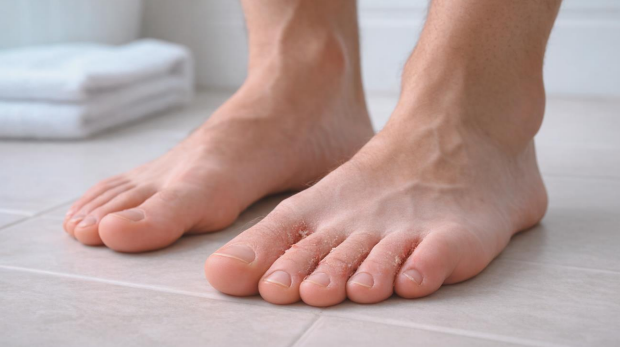
Athlete's foot is one of the most common fungal skin infections, yet it's also one of the most frustrating to manage. Many people treat the itching or peeling, only to have symptoms return weeks later. Understanding what causes athlete's foot, and why it often comes back, is the key to stopping the cycle and protecting long-term foot health.
What Is Athlete's Foot?
Athlete's foot is a fungal infection caused by dermatophytes, organisms that thrive in warm, moist environments. It most commonly affects the skin between the toes but can also spread to the soles and sides of the feet. Symptoms often include itching, burning, redness, peeling, and cracking of the skin.
Although athlete's foot is usually not dangerous, repeated infections can weaken the skin barrier and increase the risk of secondary infections, particularly in people with diabetes or circulation concerns.
What Causes Athlete's Foot?
The infection develops when fungal spores come into contact with the skin and are given the right conditions to grow.
Fungi are commonly present in locker rooms, public showers, pool decks, and gym floors. Walking barefoot in these environments increases exposure. Moisture plays a central role, feet that stay damp from sweat, tight footwear, or inadequate drying create an ideal environment for fungal growth.
Shoes also contribute significantly. Tight or non-breathable footwear traps heat and moisture throughout the day, while small cracks in dry or irritated skin allow fungi to enter more easily.
Why Do I Keep Getting Athlete's Foot?
Recurring infections are common and usually linked to a combination of treatment habits and environmental factors. Even when symptoms improve, fungal organisms may still be present in the skin or surrounding environment, allowing the infection to return.
Common reasons include:
- Stopping antifungal treatment before the infection is fully cleared
- Re-exposure from contaminated footwear explains how athlete's foot can stay in shoes and lead to reinfection
- Untreated toenail fungus spreading organisms back to the skin
- Ongoing moisture issues from sweating or poorly ventilated shoes
When these factors persist, infections are more likely to return, even after repeated treatment attempts.
How to Avoid Athlete's Foot
Prevention focuses on minimizing moisture and limiting fungal exposure. Consistent habits can significantly reduce risk:
- Dry feet thoroughly after bathing, especially between the toes
- Wear breathable shoes and rotate footwear to allow full drying
- Change socks daily or whenever they become damp
- Use protective footwear in locker rooms and public showers
- Maintain good foot hygiene to avoid athlete's foot before it starts
How to Remove Athlete's Foot From Shoes
Clearing the infection from the skin alone is often not enough. Proper footwear care is essential to prevent reinfection and support full recovery.
Effective steps include:
- Allowing shoes to dry completely between uses
- Using antifungal sprays or powders inside footwear
- Cleaning or replacing removable insoles regularly
- Replacing shoes that remain damp, develop odor, or have been worn through repeated infections
These measures help reduce reinfection and support long-term recovery.
Should I Wear Socks With Athlete's Foot?
Sock choice plays an important role in managing symptoms and supporting healing. Breathable, moisture-wicking materials are the best socks for athlete's foot, helping keep feet dry while reducing irritation and fungal growth.
In most cases, wearing clean, dry socks is beneficial because they absorb excess moisture and reduce skin friction. Socks should be changed daily, or more often for individuals with excessive sweating, to maintain a dry environment.
Can I Go Swimming With Athlete's Foot?
Public pools and locker rooms are common sources of fungal exposure. During athlete's foot swimming, increased moisture around the feet can slow healing and allow fungal organisms to persist while the infection is active.
Wearing protective footwear and drying the feet thoroughly after swimming can help reduce risk, but repeated exposure to damp environments may prolong symptoms. Limiting swimming until treatment is complete can help prevent reinfection and support recovery.
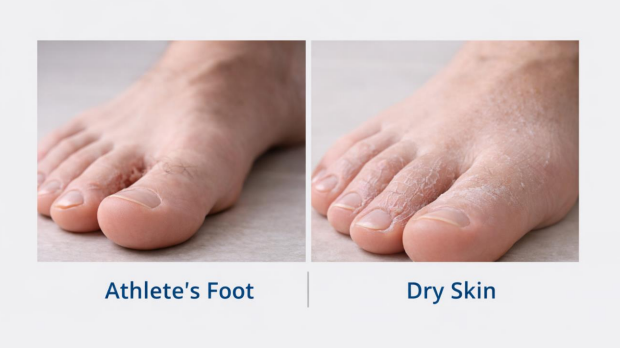
Athlete's Foot vs Dry Feet
Although these conditions may look similar, athlete's foot and dry skin have different causes and require different care.
| Feature | Athlete's Foot | Dry Feet |
|---|---|---|
| Itching or burning | Common | Uncommon |
| Redness or inflammation | More likely | Rare |
| Peeling pattern | Often uneven or between toes | More uniform |
| Response to moisturizer | Minimal improvement | Symptoms improve |
| Response to antifungal care | Gradual improvement | No change |
When to See a Podiatrist
A professional evaluation is recommended when:
- Symptoms continue to return despite treatment
- Cracking, redness, or burning becomes severe
- Toenail changes suggest fungal involvement
- Diabetes or circulation problems are present
Ongoing or recurring symptoms may require professional evaluation to ensure proper diagnosis and effective treatment. Learn more in our Athlete's Foot guide.
Taking the Next Step Toward Clearer, Healthier Feet
Athlete's foot is common, but recurring infections are often a sign that underlying causes, such as footwear contamination, moisture issues, or nail involvement, haven't been fully addressed. Identifying these factors early can help prevent ongoing irritation and protect the health of the skin.
If symptoms persist or continue to return, professional care from Foot & Ankle Specialists of Utah can provide clarity and targeted treatment. Our Utah-based podiatry team offers personalized care to help prevent future flare-ups and support long-term foot health. Book an appointment today to get expert guidance tailored to your needs.
For more tips, tricks, and helpful information, be sure to check out our social media accounts!