What Causes Toenail Fungus? Common Risk Factors and Prevention Tips
May 4, 2026
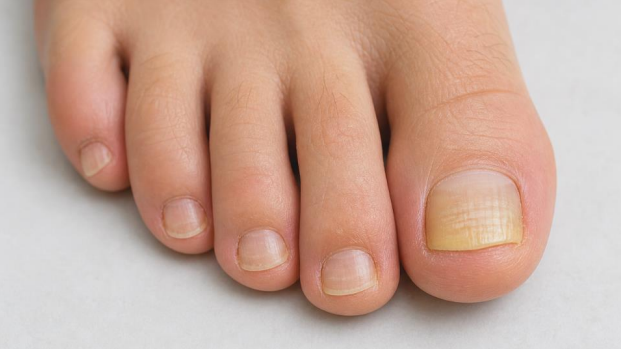
Toenail fungus is a common condition that affects many individuals, yet it is often misunderstood. While it may begin with subtle changes in the nail, the infection can progress over time if left untreated. Understanding what causes toenail fungus is an important step in reducing risk and recognizing when professional care may be needed.
Several everyday factors can contribute to the development of fungal infections. These conditions help explain what causes toe fungus and why it tends to develop in certain environments.
What Is Toenail Fungus?
Toenail fungus, also known as onychomycosis, is an infection caused by fungal organisms that affect the nail and surrounding tissue. These organisms thrive in warm, moist environments and can enter the nail through small openings in the skin or nail structure.
To better understand what causes nail fungus, it is important to recognize that the infection develops gradually and may not be noticeable in its early stages.
How Toenail Fungus Develops
Toenail fungus typically begins when fungi enter through tiny cracks in the nail or surrounding skin. Once inside, the organisms feed on keratin, the protein that makes up the nail, allowing the infection to spread over time.
Understanding how you get toenail fungus often involves a combination of environmental exposure and individual risk factors. Conditions that create moisture and warmth, such as wearing enclosed shoes for long periods, can make it easier for fungi to grow. This also contributes to what causes fungus in toenails, particularly when the nail or surrounding skin is more vulnerable to infection.
Common Causes of Toenail Fungus
These contributing factors help explain what causes fungus toenails and why infections may develop gradually over time.
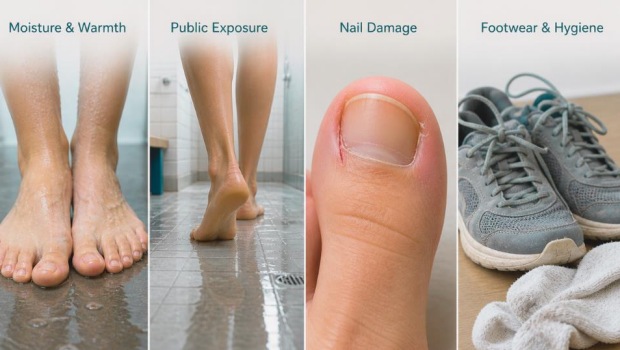
Moisture and Warm Environments
Fungi thrive in damp conditions. Sweaty feet, humid climates, and wearing shoes that trap moisture can increase the risk of infection.
Exposure in Public Areas
Locker rooms, public showers, and pool areas are common places where fungi are present. Walking barefoot in these environments can expose the feet to infection.
Nail or Skin Damage
Small cuts, cracks, or trauma to the nail can create entry points for fungi. Even minor injuries may allow the infection to develop.
Footwear and Hygiene Factors
Tight or non-breathable footwear can trap moisture and create an ideal environment for fungal growth. Poor foot hygiene may also contribute to infection over time. These factors help explain what causes fungus on toenails and how it can develop gradually.
Risk Factors That Increase Susceptibility
Some individuals are more likely to develop toenail fungus due to underlying conditions or lifestyle factors.
Common risk factors include:
- Aging and slower nail growth
- Diabetes or circulation issues
- A weakened immune system
- Prolonged exposure to moisture
- Repeated stress on the nails
These elements are important contributors to the broader causes of toenail fungus, particularly when combined with environmental exposure. Certain medical conditions can also increase the risk of complications. Learn more about diabetic-related nail concerns and how they may affect foot health.
Early Signs of Toenail Fungus
Recognizing early symptoms can help prevent the infection from progressing. In many cases, the reason for toe nail fungus may not be immediately obvious, but subtle changes can provide early warning signs.
Common signs include:
- Discoloration (yellow, white, or brown)
- Thickening of the nail
- Brittle or crumbly texture
- Changes in nail shape
Because these symptoms develop gradually, they are often overlooked until the condition becomes more noticeable.
How Toenail Fungus Can Progress
Without proper care, toenail fungus can worsen over time. The infection may spread to other nails, cause increased thickening, and lead to discoloration, brittleness, or changes in nail shape. As it progresses, it can also create discomfort and make it more difficult to wear certain shoes comfortably.
Different types of fungal infections may present in slightly different ways, depending on how the fungus affects the nail and surrounding tissue. To better understand these variations, explore types of toenail fungus and how they can affect the nail.
Prevention Tips to Reduce Your Risk
Preventing toenail fungus focuses on minimizing exposure to fungi and reducing conditions that allow them to grow.
Helpful strategies include:
- Keeping feet clean and thoroughly dry
- Wearing breathable, well-fitting shoes
- Changing socks regularly
- Avoiding walking barefoot in public areas
- Maintaining proper nail care
Understanding how you get nail fungus can also help guide prevention efforts, especially when it comes to limiting exposure in high-risk environments.
When to See a Podiatrist
While mild nail changes may seem manageable, professional evaluation is important when symptoms persist or worsen.
You should consider seeing a podiatrist if:
- Discoloration or thickening continues
- The infection spreads to other nails
- Pain or discomfort develops
- There is an underlying health condition such as diabetes
A proper diagnosis is essential, as not all nail changes are caused by fungal infections. Professional care can help confirm the cause and guide appropriate treatment. Learn more about toenail fungus treatment options and how care is tailored to each patient.
Understanding the Causes to Protect Your Foot Health
Toenail fungus is a common condition, but it often develops due to a combination of environmental exposure and individual risk factors. Understanding what contributes to infection can help reduce the likelihood of developing it and support early recognition of symptoms.
If you are noticing changes in your nails or have concerns about possible infection, the podiatry team at Foot & Ankle Specialists of Utah is here to help patients throughout Utah. Schedule an appointment for a comprehensive evaluation and personalized guidance to protect your foot health.
For more tips, tricks, and helpful information, be sure to check out our social media accounts!