
What are heel spurs?
Heel pain can come from irritated tissue, an injury, or repeated stress on the foot. The location of your pain and when it occurs can help identify the cause.
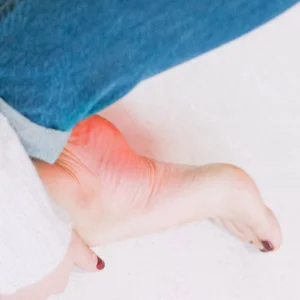
At Foot & Ankle Specialists of Utah, our podiatrists evaluate heel pain and recommend treatment based on your symptoms, health, and daily activities. Common causes include:
- Plantar fasciitis: Irritation of the tissue supporting your arch, often causing pain under the heel with your first steps after rest.
- Achilles tendinitis: Irritation of the tendon connecting your calf muscles to your heel, causing pain at the back of the heel.
- Bursitis: Inflammation of a fluid-filled cushion near the heel.
- Stress fractures: Small cracks in the heel bone that may develop with repeated impact or a sudden increase in activity.
Learn more about plantar fasciitis and its treatment.
Are heel spurs always painful?
No. A heel spur is a bony growth on the heel bone. Many people have heel spurs without pain and discover them only when an X-ray is taken.
Heel spurs can occur alongside plantar fasciitis, but the spur itself may not be causing your symptoms. Treatment focuses on the source of your pain. Finding a spur on an X-ray does not automatically mean you need surgery.
When should I see a podiatrist for heel pain?
Schedule an evaluation if heel pain keeps returning, changes how you walk, or does not improve with reduced activity and supportive shoes.
Seek urgent medical care if you cannot put weight on your foot, have severe pain after an injury, or feel a sudden pop near the back of your ankle. Redness, warmth, swelling, or fever also warrant prompt evaluation. If you have diabetes and notice a foot wound, contact a healthcare professional promptly.
How is heel pain diagnosed?
Your podiatrist asks where the pain occurs, when it started, and which activities make it worse. The exam may include checking your walking pattern, foot movement, tender areas, and footwear.
X-rays or other imaging may be recommended if the examination suggests a fracture or another condition that needs further assessment. Not everyone needs imaging.
How is heel pain treated?
Treatment depends on the diagnosis. Your care plan may include:
- Temporarily reducing activities that aggravate your heel.
- Supportive shoes, heel cushions, or custom orthotics.
- Stretching or physical therapy suited to the affected tissue.
- A night splint or walking boot when appropriate.
- Pain medication, if safe for your health and other medicines.
Injections may be considered for certain conditions after discussing the benefits and risks. Surgery is usually reserved for persistent symptoms that have not improved with appropriate nonsurgical care.
Heel pain care close to home
For heel pain treatment in Utah, schedule an evaluation at Bountiful, Brigham City, Lehi, Ogden, Sandy, Tooele, or West Valley.