
What is peripheral neuropathy?
Peripheral neuropathy is damage to nerves outside the brain and spinal cord. In the feet, it can affect sensation and sometimes muscle function or balance.
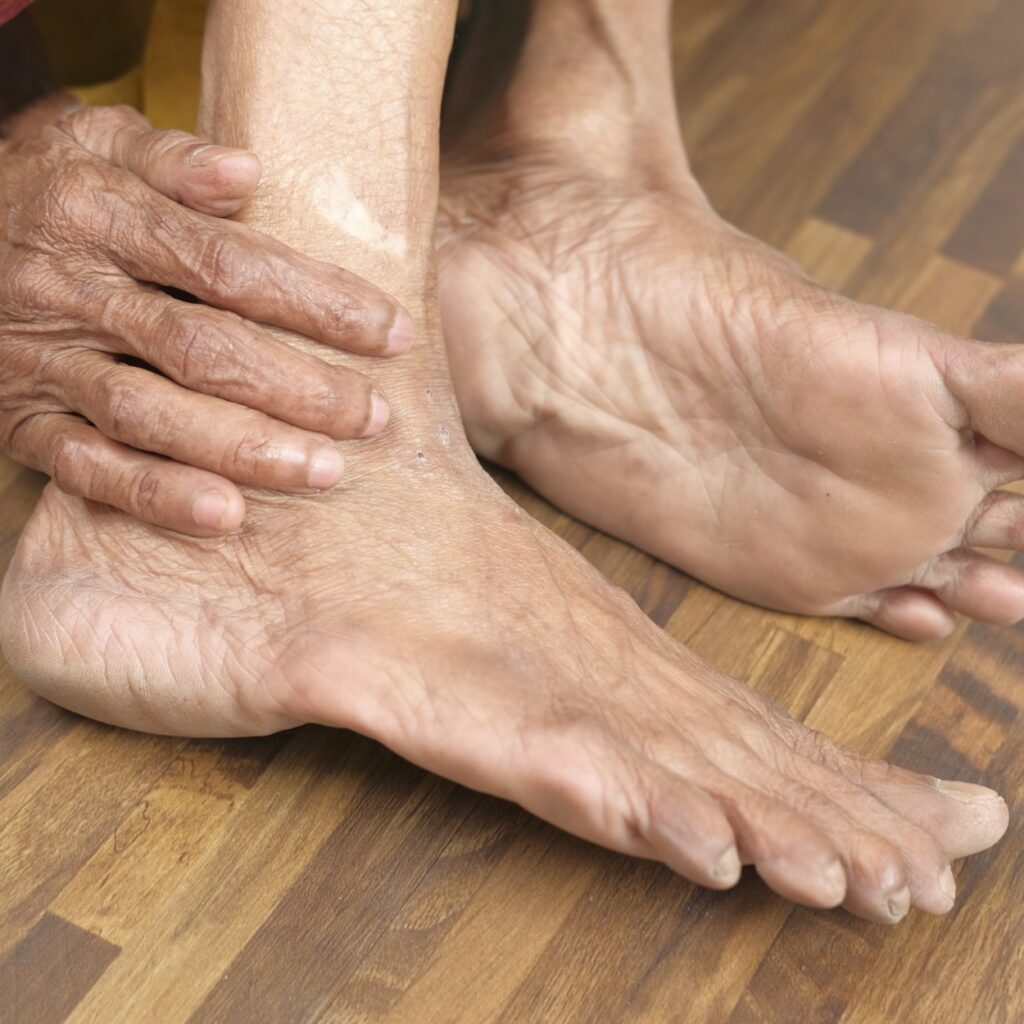
Small fiber neuropathy is one type. It affects tiny nerve fibers involved in sensing pain and temperature. It may cause burning, tingling, or unusual sensitivity, even when some standard nerve tests are normal.
Foot & Ankle Specialists of Utah evaluates foot symptoms and helps determine whether nerve testing or referral to another specialist is appropriate.
Which symptoms may need evaluation?
Schedule an appointment if you notice:
- Burning, tingling, or pins-and-needles sensations.
- Numbness or reduced feeling in your toes or feet.
- Sharp, shooting, or electric shock-like pain.
- Pain from light touch, such as bedsheets.
- Trouble noticing temperature changes.
- New balance difficulties or foot weakness.
These symptoms do not always mean neuropathy. Circulation problems, nerve compression, and other conditions may cause similar concerns.
What can cause neuropathy?
Diabetes is a common cause, but it is not the only one. Other possible causes include vitamin deficiencies, certain medicines, kidney disease, alcohol-related nerve damage, and some autoimmune conditions.
Sometimes no clear cause is found. Reviewing your medical history, medications, and symptoms helps guide the evaluation.
What happens during a neuropathy evaluation?
Your podiatrist asks when symptoms began, whether one or both feet are affected, and how symptoms influence walking or sleep. The examination may assess skin health, circulation, strength, reflexes, and sensation.
Simple checks may include a soft testing filament or tuning fork. Blood tests may be recommended to look for contributing conditions, such as diabetes or a vitamin B12 deficiency.
Depending on the findings, you may be referred for nerve conduction studies, electromyography (EMG), or a neurology evaluation. Not every patient needs every test.
What is epidermal nerve fiber density testing?
Epidermal nerve fiber density testing, often called ENFD or IENFD testing, examines a small skin sample to assess tiny nerve fibers.
If a biopsy is appropriate, the provider numbs the area and removes a small sample for laboratory analysis. You receive instructions for caring for the biopsy site.
A reduced number of nerve fibers can support a diagnosis of small fiber neuropathy. The result must be considered alongside your symptoms, examination, and other tests. It does not, by itself, explain why the nerve changes occurred.
What happens after testing?
Your care plan depends on the findings. It may include treatment of an underlying condition, medication for nerve pain, protective footwear, or help with balance and mobility.
Testing does not repair nerves, but it can help guide care. If sensation is reduced, check your feet daily and seek prompt advice about a new wound. People with diabetes may also benefit from ongoing diabetic foot care.
Neuropathy evaluation near you
For neuropathy evaluation in Utah, schedule a visit in Bountiful, Brigham City, Lehi, Ogden, Sandy, Tooele, or West Valley. Contact your preferred office to discuss testing arrangements.