
A toe that stays bent can rub against your shoes and make walking uncomfortable. Foot & Ankle Specialists of Utah evaluates hammertoes and recommends care based on your symptoms and how easily the toe moves. Treatment aims to reduce pressure, protect the skin, and improve comfort.
What is a hammertoe?
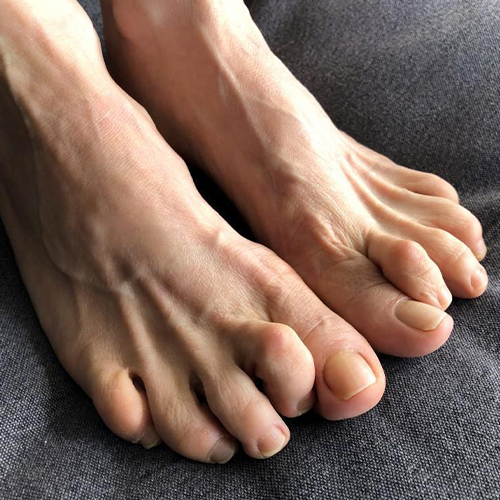
A hammertoe is an abnormal bend in the middle joint of one of the smaller toes. The middle joint rises while the toe bends downward, which can cause it to rub against the top of your shoe.
In the early stages, the toe may still straighten with gentle movement. This is called a flexible hammertoe. Over time, the joint can stiffen and become difficult or impossible to straighten, creating a rigid hammertoe.
What causes hammertoes?
Hammertoes often develop when the muscles and tendons that control the toe no longer work together evenly. This imbalance can gradually pull the toe into a bent position.
Contributing factors may include inherited foot structure, a previous toe injury, or changes in muscle function. Shoes that crowd the toes or push them forward can increase pressure and worsen the problem.
What symptoms should I watch for?
Common signs include:
- A visible bend in one or more smaller toes.
- Pain or rubbing when wearing shoes.
- Corns or calluses on the toe, between toes, or under the foot.
- Redness, swelling, or burning around the affected joint.
- Increasing stiffness or difficulty straightening the toe.
Repeated rubbing may eventually break the skin. Contact your provider promptly if you notice an open sore, drainage, or spreading redness. If you have diabetes or reduced feeling in your feet, seek advice early, even if the area is not painful. Learn more about our diabetic foot care.
How is a hammertoe diagnosed?
Your podiatrist will examine the toe, check whether the joint is flexible or rigid, and look for areas of pressure or skin damage. The evaluation also includes discussing your symptoms and footwear.
X-rays may be recommended to assess bone alignment or help plan treatment.
Can hammertoes be treated without surgery?
Many people can manage discomfort with nonsurgical care, especially while the toe remains flexible. Your podiatrist may recommend:
- Roomier footwear: Shoes with a wide, deep toe box give bent toes more space.
- Protective padding: Nonmedicated pads can cushion areas that rub against shoes.
- Exercises: Gentle stretching and strengthening may help selected flexible hammertoes.
- Splints or straps: These may support a flexible toe in a more comfortable position.
- Shoe inserts: Use of Custom orthotics may help redistribute pressure when appropriate.
- Professional skin care: Treatment for painful corns or calluses can reduce irritation.
Supportive measures can improve comfort, but they do not permanently straighten a rigid joint. Avoid cutting corns or using medicated corn removers yourself, particularly if you have diabetes or poor circulation.
When might hammertoe surgery be needed?
Surgery may be considered when a stiff or painful toe continues to cause problems despite nonsurgical care, or when pressure repeatedly damages the skin.
Depending on the toe’s flexibility and alignment, treatment may involve adjusting a tendon or correcting the joint. Your surgeon will explain the procedure, benefits, risks, and recovery plan. Restrictions on walking and footwear depend on the operation and your healing needs.
Hammertoe care at our Utah locations
If a bent toe is affecting your comfort or making shoes difficult to wear, contact Foot & Ankle Specialists of Utah. Our offices are in Bountiful, Brigham City, Lehi, Ogden, Sandy, Tooele, and West Valley.