
Quick Summary:
- Minor foot wounds, such as cuts, scrapes, and blisters, can often be managed with gentle cleaning, clean bandages, and daily monitoring.
- Patients with diabetes, poor circulation, or neuropathy face a higher risk of complications and should have new foot wounds evaluated promptly.
- Signs of infection include increasing redness, swelling, warmth, worsening pain, drainage, unusual odor, and fever.
- Professional wound care may include cleaning, removing damaged tissue, applying specialized dressings, and relieving pressure to support healing.
- Proper footwear, daily foot inspections, and good skin care can help prevent future wounds.
Need help with a foot wound that isn’t healing? Contact Foot & Ankle Specialists of Utah to schedule an evaluation at one of our convenient locations.
A blister from a long hike, a scrape from the trail, a cut from a stray piece of glass, or a sore that simply will not close can all slow you down. Most minor foot wounds may heal well with simple care, but the feet are a place where small wounds can sometimes turn into bigger problems. Here is what you should know, and when it may be time to let our first-class providers take a look. With convenient office locations in Bountiful, Brigham City, Lehi, Ogden, Sandy, Tooele, and West Valley, UT, Foot and Ankle Specialists of Utah provide expert foot and ankle care always close to home.
Why Foot Wounds Deserve Extra Attention
The feet take a lot of pressure, spend their day inside warm, enclosed shoes, and are far from the heart, which can make healing slower than it is in other parts of the body. Health conditions such as diabetes and poor circulation may make healing slower still, and reduced sensation from neuropathy may allow a wound to go unnoticed. For these reasons, a wound on the foot may need more attention than the same wound elsewhere.
What Counts as a Foot Wound?
- Cuts and scrapes
- Blisters, especially those that have broken open
- Puncture wounds, such as from a nail or splinter
- Sores under a callus or corn
- Ulcers, which are open sores that are slow to heal
- Wounds around the toenails, such as from an ingrown nail
- Cracks in the skin, especially around the heels
How Can I Care for a Minor Wound at Home?
For a small, shallow wound in an otherwise healthy person, these steps may help:
- Wash your hands first
- Gently clean the wound with clean water, and remove any dirt or debris
- Cover it with a clean bandage or dressing, and change it when it becomes damp or dirty
- Keep pressure off the area when possible, and wear clean socks and comfortable shoes
- Check the wound every day for changes
What Are the Signs of Infection?
You may want to be seen promptly if you notice:
- Increasing redness or swelling around the wound
- Warmth around the area
- Pain that is getting worse instead of better
- Drainage, pus, or an unusual odor
- Red streaks spreading from the wound
- Fever or chills
- A wound that does not seem to be improving
Who May Be at Higher Risk?
Individuals with diabetes, circulation problems, neuropathy, or a weakened immune system may be at higher risk for complications from even a small wound. If you are in one of these groups, you may want to consider having any foot wound evaluated sooner rather than later, rather than waiting to see if it gets better on its own.
What Should I Avoid?
- Cutting away calluses or the skin around a wound yourself
- Using harsh products on the wound, which may irritate the skin
- Walking barefoot, which may expose the wound to dirt and injury
- Ignoring a sore because it does not hurt, since reduced sensation may mean a wound is more serious than it feels
- Wearing the same tight or rubbing shoes that may have caused the problem
How Are Foot Wounds Treated by a Provider?
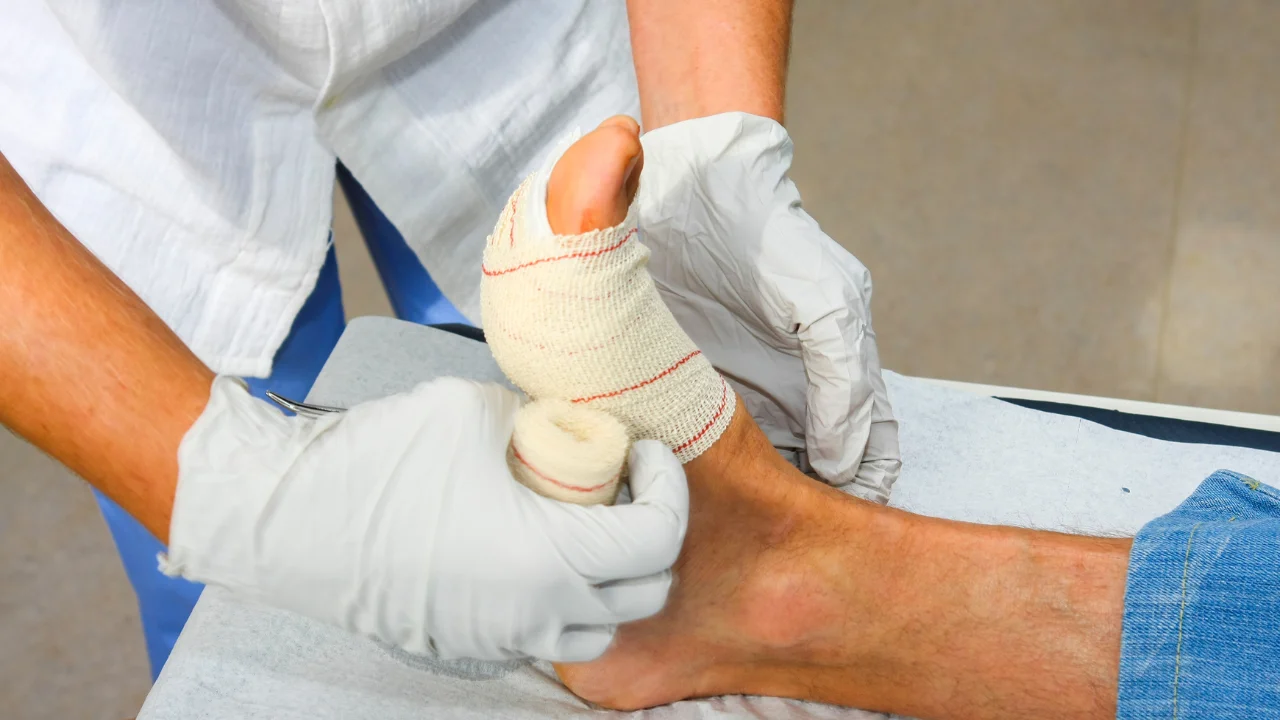
Treatment may depend on the type and cause of the wound. Our providers may clean the wound, remove tissue that is preventing healing, choose a dressing that suits the wound, check for infection, and relieve pressure on the area with padding, footwear changes, or a protective device. When circulation or another health condition is a factor, we may coordinate with your other providers so that the underlying cause is addressed as well. Our goal is to help the wound heal safely and to help prevent it from coming back.
How Can I Help Prevent Foot Wounds?
Many foot wounds may be prevented with a few everyday habits:
- Wear shoes that fit well and protect your feet, and avoid going barefoot outdoors
- Check inside your shoes for pebbles, rough seams, or anything that could rub
- Inspect your feet regularly, including the bottoms and between the toes
- Keep your skin moisturized so it is less likely to crack, avoiding the spaces between the toes
- Trim your toenails carefully, and have corns and calluses managed by a professional
- Change out of wet socks and shoes as soon as you can
When Should I See a Provider?
You may want to consider scheduling an evaluation if a wound is not improving after a few days, if you see any signs of infection, if the wound is deep, if you cannot get all the dirt out, or if you have diabetes or circulation concerns and notice any new sore. A foot that suddenly becomes pale, cold, numb, or severely painful may be an emergency, and you should call 911 or go to the nearest emergency room.
Move Forward with Confidence
We are here to help you heal and protect your feet. With convenient office locations in Bountiful, Brigham City, Lehi, Ogden, Sandy, Tooele, and West Valley, UT, expert foot and ankle care is close to home. Don’t wait! Schedule an appointment with Foot & Ankle Specialists of Utah today and get back to living your best life!